Discover the right bird cage placement for your pet! Avoid 10 common mistakes, learn vet-approved tips, and create a peaceful, healthy environment for your feathered friend.
🏠 Where Should I Place My Bird Cage? 10 Mistakes You Must Avoid at Home
🌿 Introduction: Why Bird Cage Placement Matters More Than You Think
When you bring a bird home, you’re not just adding a pet — you’re inviting a vibrant, emotional being who thrives on comfort, security, and familiarity. Yet one of the most overlooked aspects of avian care is bird cage placement. Most first-time bird owners think any bright corner or convenient spot will do, but where you place your bird’s cage can directly affect its physical health, mood, and behavior.
Imagine living in a world where your home’s position changes your sense of safety, your exposure to noise, your sleep, and even how much sunlight you get. That’s precisely how birds experience their surroundings. A well-thought-out bird cage placement can mean the difference between a calm, confident bird and one that’s anxious or withdrawn.
Many owners unknowingly make critical mistakes — setting cages too close to windows, exposing them to cooking fumes, or placing them under harsh lights. These choices, though unintentional, can cause discomfort, stress, and even long-term health issues. Birds are sensitive creatures, and their environment influences everything from their feather quality to their appetite and sleep patterns.
Proper bird cage placement isn’t about finding an empty spot in your living room; it’s about understanding your bird’s natural instincts and mirroring them within your home. In the wild, birds choose high, sheltered spaces where they can see their surroundings without feeling exposed. Recreating that same sense of protection indoors gives them confidence and emotional stability.
Throughout this guide, we’ll explore the ten most common bird cage placement mistakes that even experienced owners make — and how to fix them. From avoiding temperature fluctuations to selecting safe light sources and quiet corners, you’ll learn how to create a home environment that supports your bird’s happiness and longevity.
So before you finalize that corner or move the cage again, pause for a moment. This might just be the single most important change you make for your feathered friend’s wellbeing. After all, a well-placed cage doesn’t just make your bird comfortable — it makes your entire home feel more alive, harmonious, and filled with song.
🕊️ Understanding the Psychology Behind Perfect Bird Cage Placement
When we think about our feathered companions, we often focus on their diet, toys, or colorful feathers — but few realize how deeply their emotional wellbeing depends on bird cage placement. Birds are not passive pets; they are intelligent, instinct-driven beings who constantly interpret their surroundings for signs of safety or danger. The cage’s location directly affects their sense of comfort, territorial confidence, and trust toward their human family.
In the wild, birds naturally perch in elevated, sheltered areas where they can see without being seen. This instinct translates indoors too. The right bird cage placement should mimic that feeling of gentle oversight — where your bird feels part of the family’s daily life, yet protected from chaos and threats. When a cage is positioned too low or too exposed, birds feel vulnerable. When it’s too isolated, they feel ignored. Striking the right balance builds emotional stability and strengthens your bond.
How Birds Perceive Their Environment
Birds experience the world differently from humans. Their sharp vision detects even the smallest movements, and their hearing picks up frequencies we barely notice. This means what seems like a calm living room to you might feel noisy or threatening to them. Constant activity, unpredictable shadows, or sudden noises near their cage can trigger stress or aggressive behavior. That’s why bird cage placement must prioritize both sensory comfort and safety.
A well-placed cage gives your bird predictable rhythms — soft morning light, afternoon activity, and quiet nights. Over time, this consistency shapes their mood and energy. Birds housed in stable environments tend to sing more, eat better, and engage in play more frequently. On the other hand, improper bird cage placement (such as near TVs or windows facing traffic) can cause agitation, feather plucking, or restlessness.
The Social and Emotional Balance
Your bird wants to feel included, but not overwhelmed. Ideal bird cage placement means situating the cage in a space where family interactions are visible yet not too close. For example, a corner in the living room with partial wall support gives a sense of enclosure and belonging. Birds, especially parrots, cockatiels, and budgies, are social creatures; they crave visual contact but also need the option to retreat when overstimulated.
If your bird’s cage is placed correctly, you’ll notice subtle signs of contentment: soft chirps, relaxed body posture, and curiosity about surroundings. If it’s wrong, behaviors such as screaming, hiding, or biting might increase. Adjusting the bird cage placement even slightly — higher from the ground, away from heavy movement zones, or out of direct airflow — can restore calm and improve your bird’s trust almost instantly.
Replicating Nature Indoors
Think of your home as an indoor aviary. The best bird cage placement mirrors the balance birds experience in nature — light exposure, height advantage, and partial shelter. Use curtains, plants, or a nearby wall to offer security while maintaining openness. For added comfort, ensure your bird’s line of sight includes familiar family members during the day but no external predators or sudden movements.
In essence, good bird cage placement is about psychological harmony. It tells your bird, “You’re safe here. You belong.” And when your bird feels safe, you’ll see their true personality bloom — playful, affectionate, and full of life.
🚫 10 Bird Cage Placement Mistakes to Avoid
Every bird owner starts with love and good intentions. But even with the best care, small placement errors can create hidden discomforts that affect your bird’s happiness, health, and trust. Let’s explore the 10 most common bird cage placement mistakes and learn how to fix them once and for all.
1. Placing the Cage in Direct Sunlight or Too Close to Windows
Sunlight is vital, but too much of it can harm your bird. Many owners position cages near windows, assuming their birds will enjoy the view and light. In reality, direct sunlight can cause overheating and dehydration, especially during the afternoon. Glass reflections can also confuse or frighten birds.
To fix this, ensure your bird cage placement allows filtered sunlight. Use sheer curtains to soften light or position the cage near a window that receives gentle morning rays but not harsh afternoon sun. Always keep a shaded area inside the cage so your bird can regulate its comfort.
2. Keeping the Cage Near Kitchens or Smoke Sources
This is one of the most dangerous mistakes in bird cage placement. Birds have extremely sensitive respiratory systems, and exposure to kitchen fumes, smoke, or even scented candles can lead to poisoning. Non-stick cookware releases Teflon fumes when overheated — invisible yet deadly to birds.
Never place the cage near a kitchen or any area where strong smells or fumes are common. Instead, choose a well-ventilated room with stable air quality. Regularly monitor airflow and avoid sudden drafts from chimneys or exhaust fans.
3. Setting the Cage on the Floor or Too Low
Birds are naturally inclined to stay above ground level to feel safe from predators. A cage placed too low makes them anxious, defensive, or withdrawn. The ideal bird cage placement height should be at or slightly above your eye level — this gives your bird confidence while allowing easy interaction.
Use sturdy stands or wall mounts to achieve the right height. Avoid unstable furniture, which may cause vibrations or noise when people walk by.
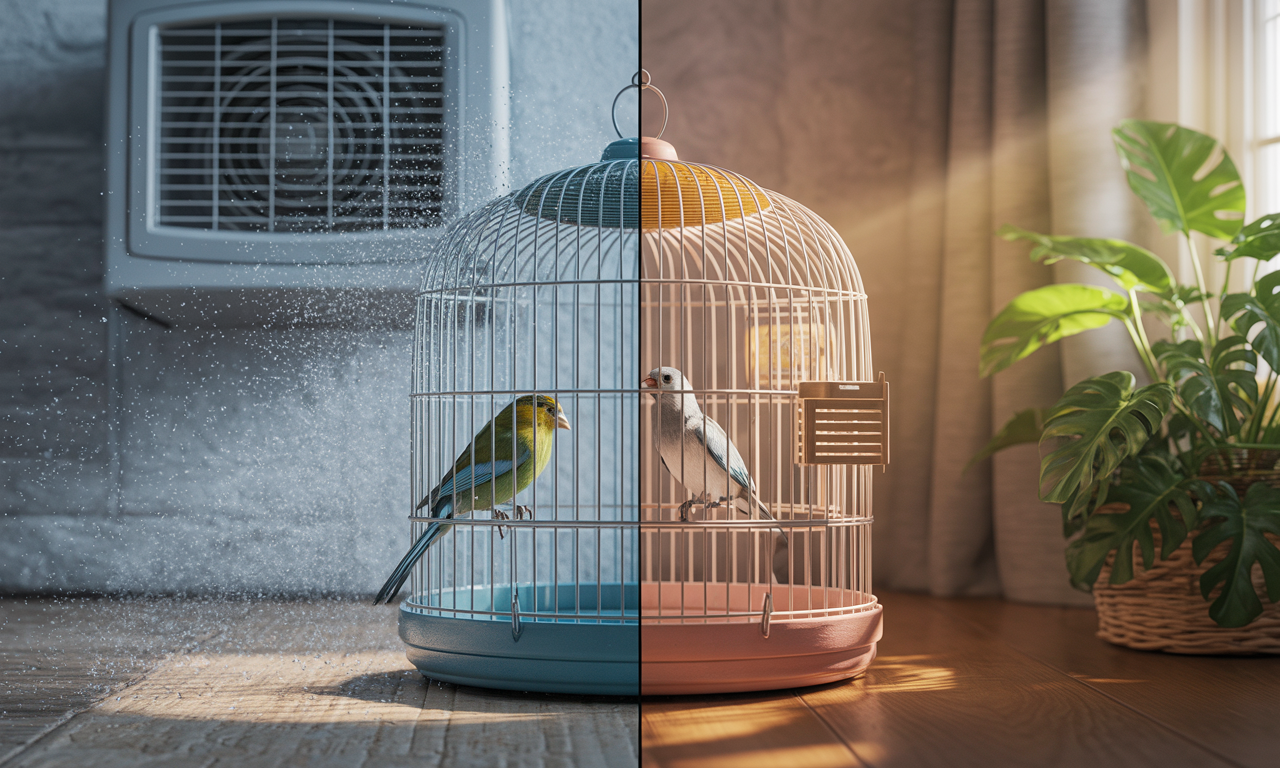
4. Positioning the Cage Near Air Conditioners, Heaters, or Fans
Temperature fluctuations can stress birds, leading to feather loss or respiratory infections. Placing cages near air conditioners, radiators, or fans is one of the subtler bird cage placement errors that often go unnoticed.
Maintain a consistent room temperature (around 20–27°C) and ensure no direct air streams hit the cage. Instead, opt for gentle cross-ventilation by opening opposite windows or using ceiling fans at low speed.
5. Choosing Busy or Noisy Areas (TVs, Speakers, Kids’ Play Zones)
Birds enjoy being part of the family, but constant noise and movement overwhelm them. Loud TVs, speakers, or playful children can trigger panic, disrupt sleep, and increase aggression. Proper bird cage placement means finding a balance — somewhere social but serene.
A quiet corner of the living room or study, where natural conversation happens but not chaos, works best. Observe your bird’s reaction for a few days — excessive fluffing or hiding indicates noise discomfort.
6. Ignoring Proper Air Circulation and Ventilation
Good airflow is crucial for feather health and odor control. However, poor bird cage placement often results in stagnant air or direct drafts. Both extremes harm your bird.
Choose a spot that receives gentle, indirect airflow. Avoid placing the cage directly under vents or beside open windows. If you live in a humid area, consider using an air purifier to maintain freshness and reduce dander buildup.
7. Placing the Cage Near Windows with Visible Predators
Many owners love giving their birds a “view,” but outdoor animals — cats, crows, dogs, or even fast-moving vehicles — can trigger constant fear. The wrong bird cage placement can make your bird feel hunted, leading to chronic stress or feather plucking.
If you want your bird to enjoy sunlight, ensure the view outside is calm and safe. A frosted window film or partial curtain can reduce visual exposure without blocking light.
8. Overlooking Light and Darkness Balance (Circadian Rhythm Disruption)
Birds depend on natural light patterns for their sleep-wake cycles. Improper bird cage placement — like near artificial lights that stay on late — can disrupt their circadian rhythm. Birds deprived of proper rest may become irritable or develop weakened immunity.
Position the cage in a space that receives morning light and darkness at night. Use a breathable cage cover to signal bedtime and maintain healthy sleep cycles.
9. Crowding Multiple Cages Too Close Together
If you own multiple birds, spacing is essential. Too-close cages can cause territorial disputes, jealousy, or stress. Each bird needs its own visual boundary.
For ideal bird cage placement in multi-bird homes, maintain at least two to three feet of space between cages. Observe body language — fluffed feathers, hissing, or lunging indicate crowding discomfort.
10. Neglecting Accessibility and Cleaning Convenience
This may seem minor, but it’s one of the most common bird cage placement oversights. If the cage is difficult to reach or surrounded by furniture, cleaning becomes inconsistent — leading to hygiene problems.
Place the cage where you can easily access food bowls, change water, and clean droppings without stress. The easier it is for you, the cleaner and healthier it will be for your bird.
💡 Quick Recap Table: Do’s and Don’ts of Bird Cage Placement
| Do’s | Don’ts |
| Place at or above eye level | Never on the floor |
| Use filtered sunlight | Avoid direct harsh sun |
| Keep away from fumes & smoke | Don’t place near kitchen |
| Ensure cross ventilation | Avoid AC/heater airflow |
| Choose calm social zones | Avoid loud entertainment areas |
| Provide evening darkness | Don’t expose to constant light |
| Keep cages spaced apart | Don’t crowd multiple birds |
| Make cleaning easy | Avoid corner obstructions |
🪶 Expert Tip: Observe, Adapt, and Learn
Even after perfect bird cage placement, continue observing your bird’s behavior. Signs like excessive fluffing, pacing, or lack of appetite can indicate environmental discomfort. Small adjustments — changing the cage’s direction, shifting it slightly higher, or moving away from a draft — can dramatically improve wellbeing.
Remember: there’s no “one-size-fits-all” answer. Each bird has unique comfort levels depending on species, age, and personality. Listening to your bird’s body language is the truest guide to finding its happy place.
🌤️ Ideal Bird Cage Placement in Different Types of Homes
Now that you understand the common mistakes, let’s talk about how to make the right choices. Every home is unique — from city apartments to suburban houses — and each offers different opportunities (and risks) when deciding on bird cage placement. Whether you’re caring for a small budgie or a majestic macaw, understanding your space is the key to designing a truly bird-friendly home.
🏢 Bird Cage Placement in Apartments
Apartment living often means limited natural light, shared walls, and smaller spaces. But don’t worry — you can still achieve perfect bird cage placement with smart adjustments.
- Choose a bright yet stable spot. Position your bird’s cage near a window that gets gentle morning light rather than harsh afternoon sun. Avoid areas exposed to continuous outdoor noise or street traffic.
- Stay away from vents and cooking areas. Kitchens and bathrooms can be dangerous because of fumes, humidity, and temperature shifts.
- Use vertical space. If floor space is limited, place the cage on a tall, stable stand or mount it securely on a wall at eye level. This keeps your bird feeling secure and saves space.
- Soundproof if necessary. Use thick curtains or indoor plants around the cage to reduce echoes and create a calmer acoustic environment.
Pro Tip: If your apartment lacks natural light, use a full-spectrum bird lamp for 10–12 hours daily to mimic sunlight and maintain healthy circadian rhythms.
🏠 Bird Cage Placement in Houses
If you live in a larger house, you have the advantage of multiple rooms and layouts. However, more options also mean more chances for mistakes in bird cage placement.
- Avoid rooms with temperature extremes. Basements are often too cold and damp, while attics can become excessively hot. The ideal space should stay between 20–27°C with consistent airflow.
- Select a semi-social area. Birds love interaction, so choose a family area where they can observe but not feel overwhelmed — such as a living room corner or hallway facing the main room.
- Keep away from high-traffic zones. Entryways, staircases, and constantly used corridors can create stress from unpredictable movement.
- Provide a view, but with moderation. A window with filtered light or a garden view works beautifully, as long as there are no predators or loud noises outside.
Pro Tip: If you live in a two-story house, avoid placing the cage near stairs — the movement and echoing footsteps may unsettle your bird over time.
🌳 Outdoor or Balcony Bird Cage Placement
Outdoor cages or balconies can seem like paradise for birds, but they require the most careful planning. Birds enjoy sunlight, fresh air, and natural sounds — yet wrong bird cage placement here can expose them to wind, predators, or extreme temperatures.
- Ensure full shade and shelter. Always have a canopy or cover that protects your bird from direct sun, rain, and wind.
- Never leave your bird unattended outdoors. Even a few minutes of exposure to predators or loud noises can trigger trauma.
- Regulate temperature naturally. During summer, use light cloth shades or greenery for cooling; in winter, ensure insulation from cold drafts.
- Rotate cage direction. This gives your bird varying light and visual stimulation, similar to changing perch views in the wild.
Pro Tip: If you have a balcony, consider a partial enclosure using mesh netting — this allows airflow but keeps out pests and predators.
🪴 Corner vs. Wall Placement
Should the cage go in a corner or along a wall? The answer depends on your bird’s temperament.
- Corner placement gives your bird two solid walls for a sense of safety, ideal for shy or anxious birds. It creates a “den effect,” helping them feel protected.
- Wall placement works better for social, confident birds who enjoy observing movement. However, ensure that the wall doesn’t block airflow or light.
A good rule of thumb for bird cage placement is: two sides safety, two sides open. This balance mimics the shelter and visibility birds experience on a tree branch — safety behind, freedom ahead.
🕯️ Integrating Cage Placement with Home Décor
Your bird’s cage should blend with your home while prioritizing comfort. Avoid placing it near mirrors or shiny surfaces that can confuse birds. Choose warm, natural colors for surrounding furniture, and use non-toxic plants or wooden elements to create a soothing vibe.
Proper bird cage placement isn’t just about aesthetics; it’s about creating harmony between your bird’s world and yours. When positioned thoughtfully, the cage becomes a living centerpiece — radiating calmness, color, and connection throughout your home.
🌸 Feng Shui & Energy Flow: Harmonizing Your Bird’s Environment
Your bird’s presence brings more than joy — it adds life, movement, and energy to your home. In Feng Shui and holistic design philosophy, birds are powerful symbols of freedom, luck, and vitality. But these positive vibrations flow properly only when the bird cage placement aligns with your home’s natural energy currents. When placed thoughtfully, the cage not only benefits your feathered companion but also uplifts your living environment.
The Connection Between Energy and Bird Well-being
Every space has an energy rhythm — determined by light, airflow, and sound. Birds, being sensitive creatures, pick up on these frequencies far more keenly than humans. Poor bird cage placement, such as near cluttered or dark areas, can create a sense of heaviness or tension that affects both your pet and your household atmosphere.
According to Feng Shui principles, your bird’s cage should never feel trapped or squeezed between furniture or walls. Energy must flow freely around it, symbolizing freedom and balance. This flow not only enhances your bird’s happiness but also harmonizes the emotional tone of your home.
Ideal Directions and Corners for Positive Energy
For bird cage placement that encourages harmony and luck, direction plays a subtle yet significant role:
- East or Southeast: These directions are connected to growth, vitality, and the wood element in Feng Shui — perfect for living things like birds and plants. Positioning the cage here invites prosperity and good health.
- North: Represents calm energy and water flow. If your bird is more introverted or easily stressed, placing the cage in the northern part of the room can bring serenity.
- Avoid the South: The South is associated with fire energy. Placing a metal cage here may create conflicting elements, leading to restlessness.
No matter the orientation, your bird cage placement should feel airy and well-lit but not overexposed. Too much brightness can cause agitation, while dim corners can suppress your bird’s natural rhythm.
Integrating Natural Elements
Nature supports life energy, and your bird’s surroundings should reflect that. Combine natural materials, textures, and scents around the cage — wooden perches, bamboo accessories, and nearby houseplants (non-toxic species only). This setup strengthens the wood element that balances a bird’s energy field.
Avoid synthetic fragrances or plastic décor that can interfere with airflow or emit harmful fumes. Instead, surround your bird with soft, breathable fabrics and neutral colors that promote relaxation.
Adding a small tabletop fountain or nearby water bowl enhances calm, but make sure it doesn’t cause humidity or mold near the cage. The goal is a fresh, lively space that feels open and connected — not forced or artificial.
The Feng Shui Rule of Height and Harmony
Height represents status and comfort in both avian psychology and energy science. Placing your bird’s cage at or above your chest level symbolizes respect and mutual trust. Low positioning, on the other hand, symbolizes vulnerability — both energetically and emotionally.
In bird cage placement, aim for symmetry and proportion. A cage centered too much in one area may disrupt room balance, while one offset near a window or plant naturally encourages energy movement. Observe how light flows during the day and adjust placement slightly for maximum comfort and brightness.
Creating a Peaceful Energy Exchange
Ultimately, Feng Shui teaches that living beings and their spaces continuously exchange energy. When you smile at your bird, speak softly, or simply share space, your intentions radiate calmness that your bird absorbs.
Good bird cage placement is therefore not only physical — it’s emotional and spiritual. A clean, open, well-balanced location communicates love, trust, and respect. The harmony you create in your bird’s corner will ripple throughout your home, making it a sanctuary of joy for both you and your winged companion.
🩺 Expert Recommendations from Avian Vets

Even with the most loving care, many bird owners underestimate how much bird cage placement influences long-term health. According to avian veterinarians, cage location can determine how well a bird sleeps, eats, interacts, and even fights off illness. Good placement is not just about comfort — it’s a daily health prescription that supports the mind, body, and feathers of your bird.
What Avian Specialists Emphasize About Environment
Veterinarians stress that environmental stability is one of the most important yet overlooked aspects of bird care. Birds are prey animals — which means they’re constantly alert to subtle environmental shifts. Improper bird cage placement can elevate their stress hormones, making them more susceptible to infections, behavioral issues, or malnutrition.
In clinical observations, birds kept in noisy or overly bright areas often display anxiety-related symptoms like pacing, self-plucking, or biting. Conversely, those with stable bird cage placement — where light, air, and sound are balanced — tend to eat better, preen more often, and vocalize cheerfully.
Key takeaway: Consistency in cage environment = consistency in wellbeing. Even small positional adjustments can make a world of difference.
Vet-Approved Placement Guidelines
Avian vets generally agree on these core principles for safe and healthy bird cage placement:
✅ 1. Prioritize Clean Air
Fresh, toxin-free air is essential for respiratory health. Place the cage away from air fresheners, sprays, perfumes, incense, or smoke. Vets frequently diagnose respiratory irritation due to chemical exposure near cages.
✅ 2. Maintain Optimal Temperature and Humidity
Birds thrive at room temperatures between 20°C and 27°C (68–80°F). Sudden cold drafts or excessive heat cause immune stress. Avoid placing cages near AC vents, radiators, or heaters. Use a thermometer-hygrometer near the cage to track environmental changes.
✅ 3. Provide Natural Light and a Consistent Day-Night Cycle
Birds need natural light to regulate their circadian rhythms and produce Vitamin D3. Place the cage in a location with soft daylight but without direct glare. Cover the cage at night or dim nearby lights to simulate natural darkness.
✅ 4. Ensure Psychological Safety
Cages should be positioned in semi-social spaces — visible but not chaotic. Vets recommend corners or wall-backed areas that give birds a sense of partial enclosure. Ideal bird cage placement allows the bird to see family activity without feeling exposed to unpredictable movement.
✅ 5. Limit Exposure to Stressors
Avoid placing cages near barking dogs, loud televisions, or heavy traffic areas. Chronic noise leads to fatigue and hormonal imbalance. Birds recover faster from illness in quiet, calm environments.
Case Study: How Placement Transformed Bird Behavior
Dr. Ananya Sen, an avian specialist based in Mumbai, recounts a common example:
“One of my patients, a cockatiel named Coco, was constantly anxious and plucking his feathers. The owner had placed the cage near a bright window overlooking a busy street. Once we moved the cage to a shaded, quieter corner, Coco’s behavior changed within two weeks — he started whistling again.”
This simple adjustment demonstrates how strategic bird cage placement can reduce stress hormones and improve overall behavior.
Vets’ Golden Rule: “Observe and Adjust”
Every bird’s comfort level is slightly different. Avian vets recommend watching your bird’s body language as the ultimate indicator of good placement. Signs of healthy adjustment include:
- Cheerful vocalization and singing
- Regular eating and preening
- Balanced sleep patterns
- Playfulness and curiosity
On the other hand, heavy breathing, pacing, aggression, or silence indicate environmental discomfort. The best bird cage placement is not fixed — it evolves as your bird and home dynamics change.
When to Consult an Avian Vet
If your bird shows sudden behavioral changes after moving its cage, don’t ignore the signs. Sometimes a placement might seem perfect but still create unseen issues like poor airflow or excessive humidity. A quick consultation can help fine-tune positioning and rule out medical concerns.
Birds rely entirely on us to make their environment safe, and vets remind us that every inch of thoughtful bird cage placement contributes to their longevity and joy.
🌿 Conclusion: A Safe Spot for Every Song
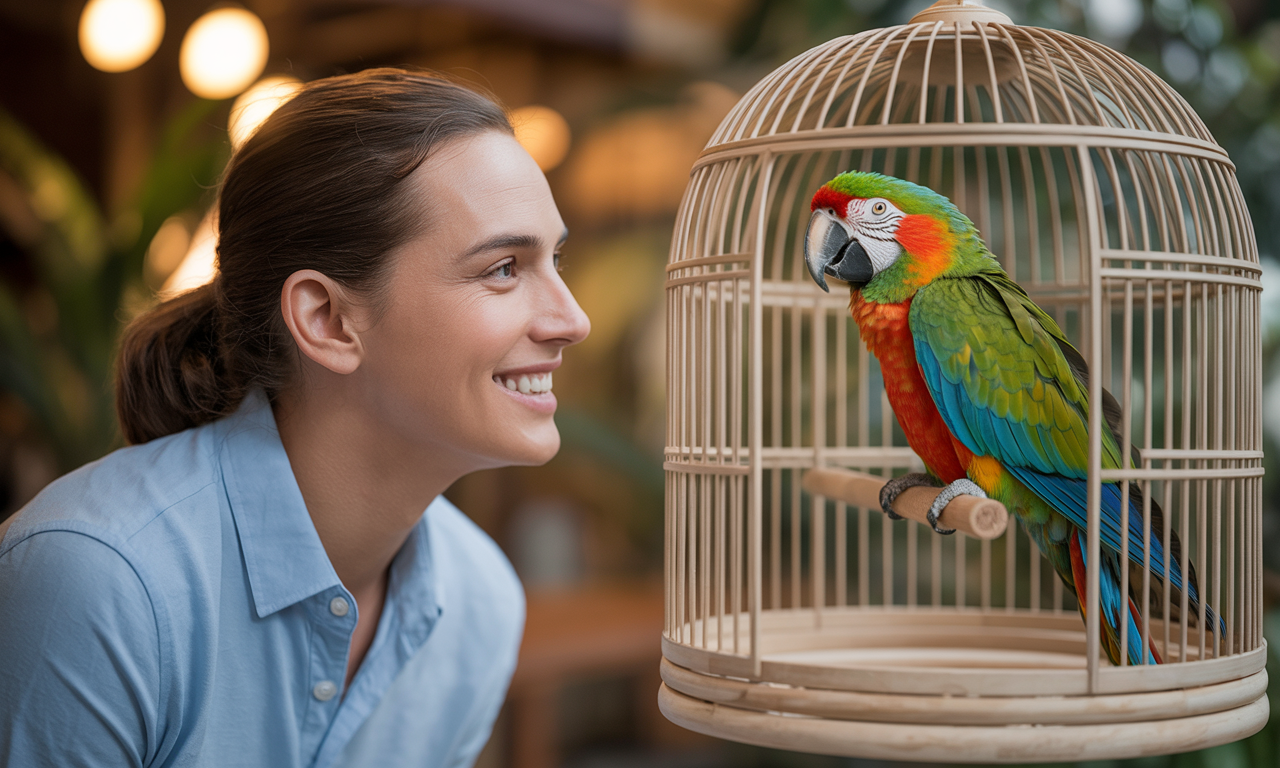
Your bird’s cage isn’t just furniture — it’s your companion’s sanctuary, playground, and sleeping nest all in one. Proper bird cage placement ensures your pet feels secure, stimulated, and loved. It protects against stress, illness, and anxiety while fostering a deeper bond between you and your feathered friend.
When you consciously select the right spot, you’re recreating what birds naturally seek in the wild — a place where light, warmth, and visibility come together in harmony. The best bird cage placement merges science and empathy: stable temperatures, gentle airflow, filtered light, and a peaceful environment filled with life.
As you move through your home, notice how your bird responds to light, sound, and space. A few simple adjustments can create a world of difference — transforming your bird’s daily life from restless to radiant.
So before you step away, take one more look at that corner, that window, or that wall. Is your bird’s world truly in balance? When you master bird cage placement, you don’t just give your pet a home — you give it happiness, health, and harmony for life.
❓ FAQ Section
Q1. How high should I place my bird cage?
A: The ideal bird cage placement is at or slightly above your eye level. Birds feel safer when elevated, as it replicates their natural instinct to perch above ground for security.
Q2. Is it okay to keep my bird cage in the bedroom?
A: It’s fine if the environment remains quiet and well-ventilated. Avoid placing the cage near fans, windows, or air conditioners to prevent drafts and temperature shifts.
Q3. Can I keep my bird cage near a window?
A: Yes, but ensure the light is indirect. Direct sunlight through glass can overheat the cage. Filter the light using curtains or shades to maintain comfort.
Q4. What’s the worst place for a bird cage?
A: Kitchens are the most dangerous due to smoke, fumes, and fluctuating heat. Avoid proximity to non-stick cookware, scented candles, or aerosol sprays.
Q5. How do I know if my bird cage placement is good?
A: Observe your bird’s behavior. If it sings, eats, and interacts confidently, the placement is right. If it hides, plucks feathers, or seems restless, the environment may need adjustment.
Q6. Can changing cage placement affect my bird’s health?
A: Yes. Frequent or drastic changes can cause stress or disorientation. Always move the cage gradually and maintain a consistent daily routine afterward.
Q7. Should I cover my bird cage at night?
A: Covering the cage helps signal bedtime and ensures complete darkness, especially if your home has artificial lighting at night.
💡Looking for something different? Check out our latest post here: https://birdsheavencare.com/must-have-bird-cage-accessories/