Learn the perfect bird bathing frequency with expert tips for healthy feathers, safe routines, and stress-free bathing your parrot will love.
- 🕊️ Introduction
- 🪶 Why Bathing Matters for Birds
- 🕊️ How Often Should You Bathe Your Bird? (The Real Answer)
- 🫧 The Right Way to Bathe Your Bird — Step-by-Step Routine
- 🌈 7 Proven Tips to Maintain Ideal Bird Bathing Frequency
- 🚫 Common Mistakes to Avoid When Bathing Birds
- 🌈 Conclusion — Clean Feathers, Happy Hearts
- 📘 Glossary (RankMath Schema-Enabled)
🕊️ Introduction
Have you ever watched your bird flutter through a gentle mist, fluff its feathers, and sing with delight? That moment of playful splashing is more than adorable—it’s vital. Bathing is a natural act of self-care, a ritual that keeps feathers radiant and skin healthy. Yet one simple question confuses nearly every bird owner: “How often should I bathe my bird?”
The answer lies in mastering bird bathing frequency—the perfect balance between too little and too much water. This rhythm isn’t about keeping your pet spotless; it’s about recreating what nature designed. In the wild, birds cleanse whenever rain falls or dew collects on leaves. Indoors, that spontaneous opportunity disappears, and you become the one who controls the cycle.
When bird bathing frequency falls too low, feathers lose sheen, dander builds, and the skin beneath begins to itch. When it’s too high, natural oils are stripped away, leaving feathers brittle and lifeless. The right schedule keeps moisture, oil, and comfort in harmony—turning an ordinary rinse into a complete wellness routine.
A proper bird bathing frequency doesn’t just maintain hygiene; it enhances behavior and bonding. Bathing stimulates preening—the natural grooming act that keeps feathers smooth—and provides mental enrichment that lowers stress. Over time, regular baths lead to brighter plumage, calmer temperaments, and a deeper connection between bird and caregiver.
This guide will help you decode your pet’s natural signals, learn optimal schedules, and avoid the mistakes that even experienced owners make. By the end, you’ll understand how thoughtful consistency in bird bathing frequency can transform health, happiness, and trust.
🪶 Why Bathing Matters for Birds
🌦️ The Problem — Dust, Dander & Dry Skin
Imagine skipping your own shower for weeks—your skin would tighten, itch, and lose its glow. Birds experience the same discomfort when their bird bathing frequency is neglected. Without regular moisture, microscopic flakes of dander and excess oil cling to feathers, turning once-sleek plumage into a patchy, dull coat. Feathers begin to mat, and airflow through them—the very mechanism that keeps a bird warm or cool—gets blocked.
In indoor environments where humidity is controlled by air-conditioners or heaters, this imbalance worsens. Birds may start scratching, shaking, or even plucking feathers to relieve irritation. What looks like behavioral trouble is often the body’s cry for the right bird bathing frequency.
💧 The Explanation — Nature’s Blueprint for Clean Feathers
In the wild, bathing is instinctive survival. Tropical species glide through rain showers; desert dwellers roll in wet leaves or early-morning dew. Each action removes dust, loosens dead cells, and activates the uropygial gland—a tiny organ at the tail base that secretes protective oil. That oil keeps feathers flexible, waterproof, and shining.
When birds live indoors, natural triggers like rainfall disappear. The only way to mimic them is by maintaining an intentional bird bathing frequency. Think of it as replicating the rhythm of rainstorms—small, regular sessions that allow skin and feathers to reset their balance of oil and moisture.
🌿 The Solution — Routine Baths that Nourish Body & Mind
Bathing hydrates skin cells, removes airborne allergens, and encourages healthy preening. It’s also emotional therapy: a sensory activity that relieves boredom and anxiety. Birds bathed consistently at the right bird bathing frequency often display brighter colors, sing more confidently, and interact more willingly with their human companions.
When bathing becomes a predictable ritual rather than a random event, it signals safety. A consistent schedule tells your bird, “You can relax; this feels good.” Over time, trust deepens and feather health improves together.
💡 Pro Tip: Use lukewarm, filtered water and gentle misting to start. Gradual exposure helps your bird associate each bath with comfort. As confidence grows, your chosen bird bathing frequency will feel as natural as a morning stretch.
🕊️ How Often Should You Bathe Your Bird? (The Real Answer)
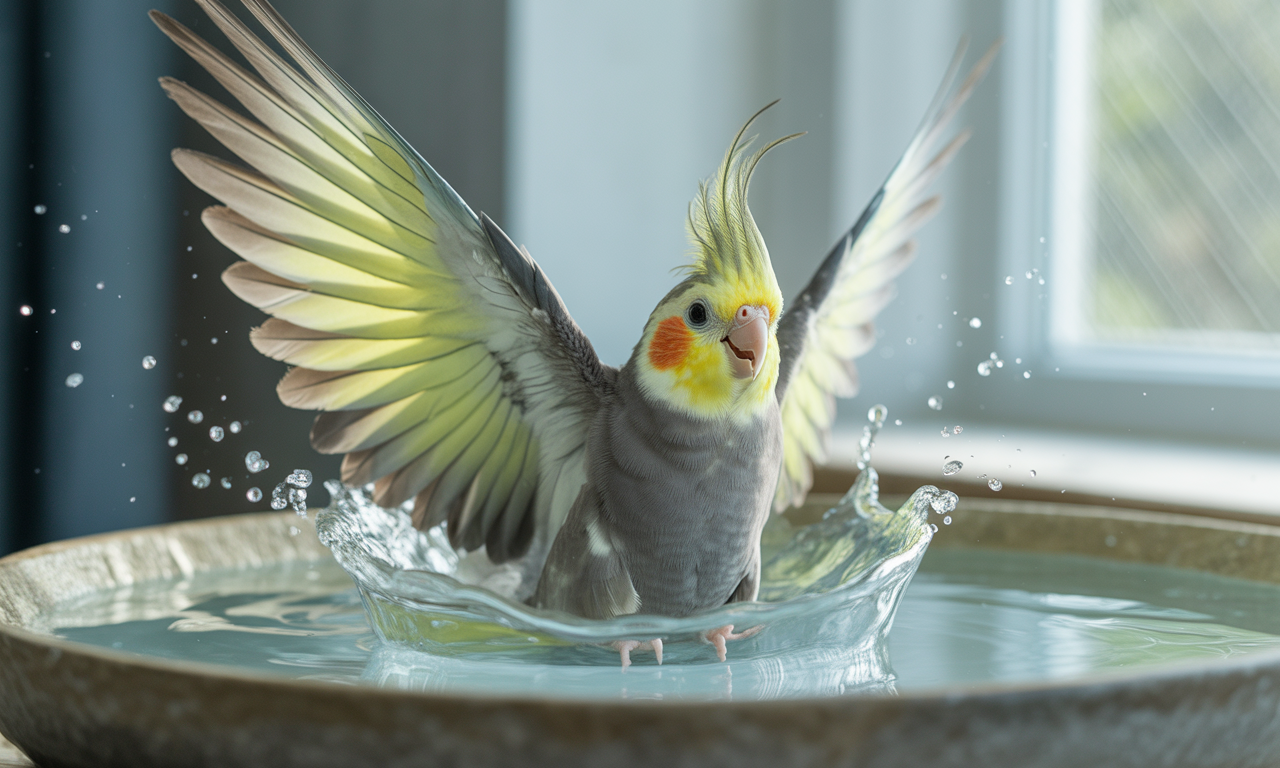
Ask ten bird owners how frequently they bathe their pets, and you’ll likely hear ten different answers. That’s because there’s no single rule for ideal bird bathing frequency—it depends on species, climate, lifestyle, and even mood. The secret is learning to read your bird’s natural rhythm and adapting the schedule to match it.
🌧️ The Problem — One Routine Doesn’t Fit All
Many owners copy what they’ve seen online or from friends: a bath every day, or maybe once a week. But what feels right for a macaw might overwhelm a cockatiel. Too-frequent bathing can wash away protective oils, while long gaps lead to dust buildup and discomfort. Over time, both extremes disrupt feather texture and skin balance—clear signs that bird bathing frequency needs adjustment.
🌿 The Explanation — Four Factors That Matter Most
- Species Type
- Tropical Birds (Parrots, Macaws, Lovebirds): Thrive on moisture. A bird bathing frequency of every 1–2 days maintains their natural humidity balance.
- Cockatiels & Budgies: Prefer a gentle mist 2–3 times per week.
- Canaries & Finches: Light bowl baths 2–4 times weekly keep feathers soft.
- Doves & Pigeons: Shallow water 2–3 times a week is sufficient.
- Tropical Birds (Parrots, Macaws, Lovebirds): Thrive on moisture. A bird bathing frequency of every 1–2 days maintains their natural humidity balance.
- Climate and Humidity
Dry, air-conditioned homes call for slightly higher bird bathing frequency to replace lost moisture. In naturally humid regions, reduce sessions to prevent over-saturation. - Molting and Health Status
Birds shed feathers several times a year. During molting, gentle misting every day or two relieves itchiness and helps loosen sheaths. For sick or recovering birds, shorten duration but keep consistency—gentle continuity supports recovery without shocking their system. - Personality and Preference
No two birds behave the same. Some dash into the spray bottle at first sight; others hesitate. Observe their signals: raised wings, chirping, and fluffed feathers mean they welcome the routine; retreating or shivering means the bird bathing frequency is too intense or poorly timed.
💧 The Solution — Find Your Feathered Formula
Start small—two or three baths per week—then let observation guide you. If feathers remain glossy and the bird preens calmly, you’ve found the right bird bathing frequency. Dull or clumped feathers signal the need for slight adjustment.
| Bird Type | Ideal Bird Bathing Frequency | Best Method | Average Duration |
| Parrots / Macaws | 4–5 times weekly | Gentle shower or spray | 5–10 min |
| Cockatiels / Budgies | 2–3 times weekly | Light misting | 3–5 min |
| Canaries / Finches | 2–4 times weekly | Bowl bath | 2–3 min |
| Doves / Pigeons | 2–3 times weekly | Shallow dish | 5 min |
| Lovebirds / Conures | 3–4 times weekly | Spray or perch bath | 5 min |
A routine like this keeps natural oils active, feathers pliable, and skin hydrated. Remember: stability matters more than intensity. Birds flourish when their bird bathing frequency feels predictable, not forced.
🌞 Pro Tip: Keep a simple log for two weeks. Note behavior, feather texture, and energy levels. Patterns will reveal your bird’s perfect bird bathing frequency—the one that makes its feathers shine and its personality bloom.
🫧 The Right Way to Bathe Your Bird — Step-by-Step Routine
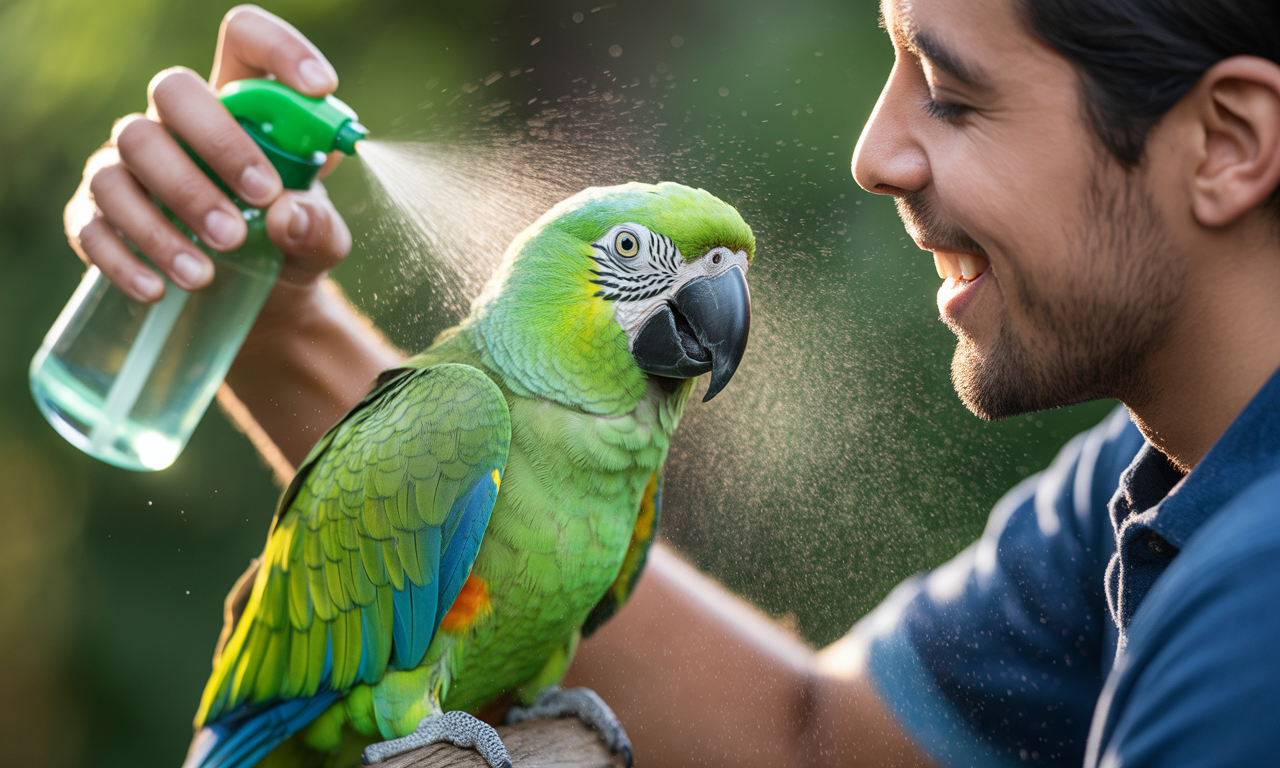
Even the perfect bird bathing frequency fails if the experience itself feels stressful or unsafe. Bathing must be calm, predictable, and comforting—never forced. By following a few structured steps, you can transform bath time into your bird’s favorite ritual while preserving feather quality and natural oils.
🪶 Step 1 – Choose the Right Method
Different species and personalities require different approaches:
- Misting: A gentle fine-mist spray that falls like rain works wonderfully for budgies, cockatiels, and conures. Hold the sprayer high so droplets drift down naturally.
- Shallow Bowl Bath: Small birds such as finches or canaries enjoy hopping into one or two inches of lukewarm water.
- Shower Perch: Parrots and macaws often like to share the shower with their humans. Install a bird-safe perch under light water flow and avoid strong pressure.
- Leaf Bath: Shy birds may prefer damp leafy greens—spinach, kale, or lettuce—to rub against instead of direct misting.
The golden rule: never push. Curiosity, not coercion, builds trust. With consistency, your bird will associate each session of its established bird bathing frequency with pleasure and play rather than fear.
🌿 Step 2 – Prepare the Environment
Preparation turns chaos into calm. Before each bath:
✅ Maintain room temperature between 26 – 30 °C (78 – 86 °F).
✅ Use filtered or de-chlorinated water—no soaps or scents.
✅ Provide a non-slip perch or textured tray bottom for stability.
✅ Keep a clean towel nearby for gentle drying afterward.
✅ Ensure the room is quiet and draft-free.
When the setting feels safe and warm, your bird relaxes. That comfort is the secret ingredient that makes regular bird bathing frequency sustainable year-round.
💧 Step 3 – Guide the Bath Gently
Approach your bird with patience. Speak softly; sudden movements or loud sounds can frighten it. Introduce the water slowly—first mist nearby, then let droplets touch its feathers. Most birds will begin fluffing, stretching, or spreading wings to catch the spray.
Keep each session short: about three to ten minutes depending on species and mood. Avoid directing water toward nostrils or eyes. If the water becomes dirty, replace it immediately. Each droplet not only cleans but also stimulates circulation, helping preen oils spread evenly.
A steady, kind approach encourages voluntary participation—exactly what you want to reinforce positive feelings about the set bird bathing frequency.
🌤️ Step 4 – Drying & After-Bath Care
After the bath, let your bird shake off excess water naturally. Provide a perch near filtered sunlight or soft indoor warmth for drying. Avoid hair dryers—noise and heat can harm delicate feathers.
Encourage post-bath preening; it’s nature’s conditioner. Offer a small treat to associate each bath with comfort. Over time, your bird will look forward to this moment, helping you maintain a joyful bird bathing frequency without resistance.
💡 Pro Tip: Make bath time a conversation. Sing, whistle, or talk gently while your bird splashes. That emotional connection strengthens trust and keeps the established bird bathing frequency consistent even during seasonal or environmental changes.
🌈 7 Proven Tips to Maintain Ideal Bird Bathing Frequency
Even if you’ve already established a bathing schedule, subtle refinements can make all the difference between a routine and a ritual. The best bird bathing frequency adapts to your pet’s environment, health, and emotions. These seven tips combine avian science, behavioral cues, and practical caregiving to ensure your bird’s feathers stay radiant and healthy year-round.
🪶 1. Watch Feather Condition — Nature’s Built-In Feedback Loop
Feathers never lie. They’re like your bird’s mirror, revealing whether its bird bathing frequency is balanced or off. When feathers shimmer under light and feel soft to the touch, your bathing rhythm is on point. Dull, clumped, or brittle feathers, however, indicate dryness or oil imbalance. Over-bathing can make them lifeless; under-bathing leaves them dusty.
Spend time once a week observing feather texture, color brightness, and smoothness. Birds preen frequently when they feel clean and hydrated. A sudden increase in scratching or fluffed feathers might suggest the need for more consistent moisture.
Pro Tip: Use your phone’s flashlight in a dim room to inspect the shine of the wing and tail feathers. A healthy gloss means you’ve found your bird’s sweet spot for bird bathing frequency.
🌞 2. Use Natural Daylight for Bath Time
Just like humans feel more alert under the morning sun, birds are biologically tuned to daylight. Sunlight enhances vitamin D production through natural preening oils, keeping bones strong and feathers resilient. Bathing in bright morning or early afternoon light mimics rain in nature—gentle, invigorating, and followed by warm drying.
Scheduling baths during daylight also helps maintain a steady bird bathing frequency that aligns with your bird’s circadian rhythm. When you bathe too late in the evening, the feathers may remain damp overnight, leading to discomfort or chills.
Pro Tip: If natural sunlight is scarce, use a full-spectrum avian light. Position it to create a warm glow during bath time—your bird will instinctively associate that light with its regular bird bathing frequency and respond eagerly.
💧 3. Keep Water Clean, Pure, and Consistent
Water quality is the heart of healthy bathing. Tap water may contain chlorine or minerals that irritate delicate skin and feathers. Always use filtered, dechlorinated, or distilled water to replicate natural rain purity. Dirty or stagnant water not only affects hygiene but also discourages your bird from bathing regularly.
When you maintain high water standards, you protect the effectiveness of your established bird bathing frequency. Fresh water encourages confidence—your bird learns that bath time always feels good, never irritating or itchy.
Pro Tip: Rinse bowls thoroughly after every bath and disinfect weekly using a mild apple cider vinegar solution (1 part vinegar to 10 parts water). Clean containers ensure that your bird bathing frequency remains healthy, predictable, and appealing.
🍃 4. Encourage Bathing Through Gentle Reinforcement
Some birds need emotional encouragement before accepting baths. Instead of forcing, teach through positive association. Combine soft tones, gentle misting near favorite toys, or playful words like “bath time!” so your bird links the act with joy and safety. Patience is your best ally in achieving a sustainable bird bathing frequency.
Many birds, especially cockatiels and parakeets, learn by imitation. If you sprinkle water lightly on leaves or offer a shallow dish, they’ll grow curious and approach voluntarily. Every positive interaction helps reduce resistance, replacing hesitation with enthusiasm.
Pro Tip: Offer a small treat—like a sliver of apple or millet—after each session. Over time, your bird will anticipate its routine and look forward to the established bird bathing frequency as a moment of affection and reward.
🌦️ 5. Adjust Frequency With Weather and Seasonal Changes
Environmental conditions are living factors in your bird’s routine. During hot or dry months, birds lose moisture quickly through evaporation, requiring a higher bird bathing frequency to replenish hydration. In colder months, humidity often drops indoors, causing itchy skin and static-prone feathers.
A hygrometer can help track humidity; aim for a comfortable 50–60%. You can use a humidifier to balance dry air, especially when heating systems are active. Seasonal awareness ensures your bird remains comfortable all year, with feathers that stay strong and well-conditioned.
Pro Tip: Increase bathing sessions during summer and molting season, and slightly reduce them during winter—but never stop entirely. Consistency is the soul of stable bird bathing frequency.
🧠 6. Align Bathing With Molting and Stress Cycles
Molting is nature’s way of renewal. Birds shed old feathers and grow new ones, a process that can cause itching, fatigue, and irritation. During these weeks, adjust your bird bathing frequency to offer gentle relief. Light misting twice daily loosens sheaths and stimulates new feather growth.
Bathing also reduces stress caused by environmental changes—like new cages, loud noises, or travel. Water has a calming effect on avian nervous systems, helping them reset emotionally. By pairing gentle baths with stable routines, you help your bird navigate stressful phases without agitation.
Pro Tip: During molting, add aloe vera-infused bird-safe spray to mist water once a week. It supports feather regrowth without altering your bird’s natural bird bathing frequency.
💕 7. Make Bathing a Shared and Joyful Experience
The most beautiful aspect of any bird bathing frequency is the bond it creates between bird and owner. Bathing can become an intimate act of trust—a shared moment of presence. When your bird sees that water comes with your calm voice and gentle hands, fear disappears. Over time, it will begin chirping excitedly the moment it senses bath preparation.
Use bath time to communicate. Speak gently, hum softly, or even whistle together. Your bird will learn that water equals safety, love, and connection. Emotional comfort is just as vital as physical cleanliness; a confident, happy bird preens better, sings louder, and lives longer.
Pro Tip: End every session with affectionate praise—say your bird’s name softly, offer a familiar treat, or play its favorite sound. The positive energy completes the circle of care and ensures your bird bathing frequency becomes not just a schedule but a celebration.
🌟 In Essence
These seven tips combine physical science and emotional awareness. Your bird’s feathers, behavior, and spirit respond directly to how well you maintain a consistent bird bathing frequency. Treat it as a sacred rhythm—regular, respectful, and full of warmth. When you do, every splash becomes a spark of health, joy, and trust.
🚫 Common Mistakes to Avoid When Bathing Birds
Even the most caring owners sometimes make innocent mistakes that disturb their bird’s comfort or undo the benefits of a balanced bird bathing frequency. Knowing what not to do is as important as mastering technique. Below are common pitfalls that can cause stress, feather damage, or health imbalances—and how to fix them quickly and kindly.
❌ 1. Bathing Too Often or Too Rarely
Just as skipping showers or over-washing hair harms humans, imbalance in bird bathing frequency harms feather health. Over-bathing strips essential oils, leaving feathers dry and fragile. Under-bathing allows dander and dust to build up, clogging pores and dulling color.
Fix: Observe your bird’s feathers. If they feel silky and look glossy, your bird bathing frequency is right. If they appear flaky, scaly, or stiff, reduce or increase baths gradually until balance returns. For most species, 2–4 baths weekly work beautifully.
Pro Tip: Create a weekly reminder. Consistency—not excess—keeps feathers supple and clean.
❌ 2. Using Cold or Hot Water
Birds have fragile thermoregulation. Water that’s too cold can shock their body, while hot water damages skin and feather keratin. Both extremes can make your bird fearful of future baths, disrupting your consistent bird bathing frequency.
Fix: Always test water with your wrist—it should feel comfortably warm but not hot (around 26–30°C / 78–86°F). Temperature stability ensures that your bird associates bathing with comfort.
Pro Tip: During summer, slightly cooler water can refresh without chilling; during winter, slightly warmer water supports steady bird bathing frequency while maintaining comfort.
❌ 3. Bathing in Noisy or Drafty Areas
Bathing requires calm. Loud sounds, fans, or sudden air drafts frighten birds. If they associate noise with baths, they’ll resist, interrupting your desired bird bathing frequency.
Fix: Choose a peaceful room with closed windows and soft lighting. Avoid running fans or sudden noises from household appliances. Calm surroundings create positive emotional memory linked to your bird bathing frequency routine.
Pro Tip: Play soothing instrumental music or nature sounds—many birds respond positively and relax faster.
❌ 4. Forcing the Bird to Bathe
This is one of the most common yet damaging mistakes. Manually placing or spraying your bird when it resists destroys trust. Birds should choose to bathe. Forcing leads to fear and avoidance, jeopardizing your regular bird bathing frequency schedule.
Fix: Introduce bathing tools gradually—let your bird watch, listen, and explore. Mist nearby surfaces first. Over time, curiosity will replace anxiety.
Pro Tip: Turn each bath into play. Smile, speak gently, and use familiar cues. When bathing feels voluntary, your bird maintains a consistent bird bathing frequency naturally.
❌ 5. Using Soap, Shampoo, or Scented Additives
Bird feathers are self-cleaning marvels. Soap dissolves the natural oils secreted by the uropygial gland, stripping essential waterproofing and shine. Even “mild” soaps or baby shampoos can cause irritation, allergic reactions, or ingestion hazards.
Fix: Use plain, filtered water only. If your vet recommends special cleaning for medical reasons, use avian-safe formulas strictly under guidance. Keeping baths natural sustains your bird’s healthy bird bathing frequency and prevents long-term issues.
Pro Tip: When deeper cleansing is necessary (e.g., after sticky food exposure), gently wipe with a soft, damp cloth instead of immersing.
❌ 6. Ignoring Post-Bath Care
A perfect bath can end poorly if the drying process is ignored. Wet feathers without warmth invite chills or infections. Birds left in cold drafts may associate bathing with discomfort, breaking their trust and routine.
Fix: After each session, place your bird in a warm, calm space with filtered sunlight or mild artificial warmth. Encourage preening—it’s part of their natural drying cycle. Consistent comfort reinforces your established bird bathing frequency and keeps your bird eager for the next bath.
Pro Tip: Avoid blow dryers entirely; their heat and sound can cause severe feather or skin burns.
❌ 7. Forgetting Seasonal Adjustments
Humidity and temperature vary through the year, and so should your bird bathing frequency. Many owners stick to a single routine regardless of season, which may result in either dehydration or overhydration.
Fix:
- Summer: Increase bathing to counteract dryness.
- Monsoon/Humid months: Reduce slightly to prevent soggy feathers.
- Winter: Keep frequency moderate but ensure warmth and humidity.
Balanced adjustment keeps feathers conditioned across all seasons.
Pro Tip: Track humidity using a hygrometer—aim for around 50–60%. Adjust your bird bathing frequency whenever indoor air feels too dry or too moist.
💡 Bonus Tip — Always Supervise Bath Time
Even confident birds can panic or slip. Shallow bowls can tip; excitement can turn to exhaustion. Constant supervision guarantees safety and strengthens trust.
Every minute you spend watching over your bird adds reassurance. Supervision transforms your bird bathing frequency from a basic care habit into an emotional bonding practice.
🌿 Quick Recap: The “Don’t” List
| ❌ Mistake | ✅ Correction |
| Bathing too often or too rarely | Adjust gradually; 2–4 baths per week work for most birds |
| Using cold or hot water | Maintain lukewarm temperature |
| Noisy or drafty space | Choose quiet, enclosed environment |
| Forced bathing | Encourage voluntary participation |
| Soaps or additives | Use plain filtered water only |
| Ignoring drying process | Provide warmth and calm afterward |
| No seasonal changes | Adapt bird bathing frequency to humidity and weather |
🪶 Pro Insight:
Bathing isn’t about perfection—it’s about connection. When you focus on your bird’s cues, comfort, and environment, the ideal bird bathing frequency unfolds naturally. Every splash becomes a signal of trust, every droplet a step toward vibrant health.
❓ Frequently Asked Questions (FAQ) Understanding your bird’s needs can feel like decoding nature itself. Below are the most common questions bird parents ask about bird bathing frequency, answered with clarity and care. These answers are optimized for RankMath FAQ schema—perfect for SEO and snippet ranking.
Q1. How often should I bathe my parrot? The ideal bird bathing frequency for parrots ranges from 3 to 5 times per week, depending on climate and humidity. Parrots, especially tropical breeds like macaws and amazons, thrive with regular moisture because their feathers depend on active oil distribution. If your home is dry or air-conditioned, increase misting slightly. During humid or rainy seasons, reduce frequency to every other day.
Pro Tip: Observe feather texture—soft, shiny feathers signal the perfect balance in your parrot’s bird bathing frequency.
Q2. Can I bathe my bird every day? Yes, you can—if your bird enjoys it and shows no signs of dryness. Some species, like cockatoos or lories, crave daily moisture because they come from rain-heavy habitats. Others, like finches, might prefer every two to three days. The key is moderation. Daily baths should be light—short misting sessions rather than deep soaking—to avoid stripping oils.
Regular gentle sessions maintain steady bird bathing frequency and keep your bird’s skin hydrated and plumage vibrant.
Q3. What time of day is best for bathing? Late morning to early afternoon is the safest window for bathing. Birds need several hours to dry fully before sunset. Bathing too late may leave feathers damp overnight, risking chills or discomfort.
Scheduling baths around the same time helps create consistency—birds love predictable routines. A fixed daytime slot strengthens their sense of security and reinforces regular bird bathing frequency naturally.
Q4. Can I use soap or shampoo to clean my bird? Never. Birds’ feathers contain microscopic barbs and natural oils that maintain waterproofing. Soaps and shampoos dissolve these oils and may cause skin irritation or toxicity if ingested during preening. Always stick to clean, filtered, or dechlorinated water. If your bird accidentally soils its feathers with sticky substances, consult an avian vet before using any cleaning products.
Natural water alone keeps your bird bathing frequency safe and effective.
Q5. How do I know if my bird enjoys bath time? Look for positive cues: fluttering wings, soft chirps, open posture, and preening afterward. These signs mean your bird associates water with comfort and relaxation. If it resists, freezes, or shakes excessively, the temperature, timing, or environment may need adjustment.
Remember, emotional response is part of a successful bird bathing frequency. A happy bird shows excitement even before the bath begins—chirping when you reach for the spray bottle or hopping near its bowl.
Q6. Should baby birds be bathed too? Baby birds should not be bathed until they’re fully feathered. Their body temperature control is weak, and wet feathers can cause hypothermia. Once feathers mature, you can introduce gentle misting under supervision.
Gradually increasing exposure helps them build comfort and rhythm with the established bird bathing frequency as they grow.
Q7. Can I bathe my bird during molting season? Absolutely. In fact, molting is one of the best times to bathe your bird. Gentle baths loosen old feathers and reduce itchiness, promoting healthy regrowth. Light misting twice daily during molting eases discomfort and accelerates feather development.
Maintaining a steady bird bathing frequency during molting ensures your bird feels refreshed and rejuvenated while supporting its natural shedding cycle.
Q8. What kind of water is best for bird bathing? Always use clean, room-temperature filtered or dechlorinated water. Tap water with high chlorine content can irritate the skin and eyes. Distilled water is fine for occasional use but lacks beneficial minerals for regular baths.
Clean, chemical-free water ensures your bird bathing frequency remains gentle and health-boosting.
Q9. How can I make bath time more enjoyable for my bird? Turn bathing into bonding. Sing softly, mimic chirps, or play gentle nature sounds. Offer treats afterward to reinforce positive feelings. Birds learn by association—when water means happiness, your bird bathing frequency becomes effortless and natural.
Pro Tip: Introduce colorful bath toys like floating balls or leafy greens for enrichment. Birds love sensory play.
Q10. Do all birds need the same bathing schedule? Not at all. Each species—and each individual—has unique preferences. Tropical birds thrive on daily or alternate-day baths; desert or temperate birds may prefer less frequent misting. Always watch your bird’s cues and adapt accordingly.
Consistency and observation define the best bird bathing frequency, not one-size-fits-all rules.
🌈 Conclusion — Clean Feathers, Happy Hearts
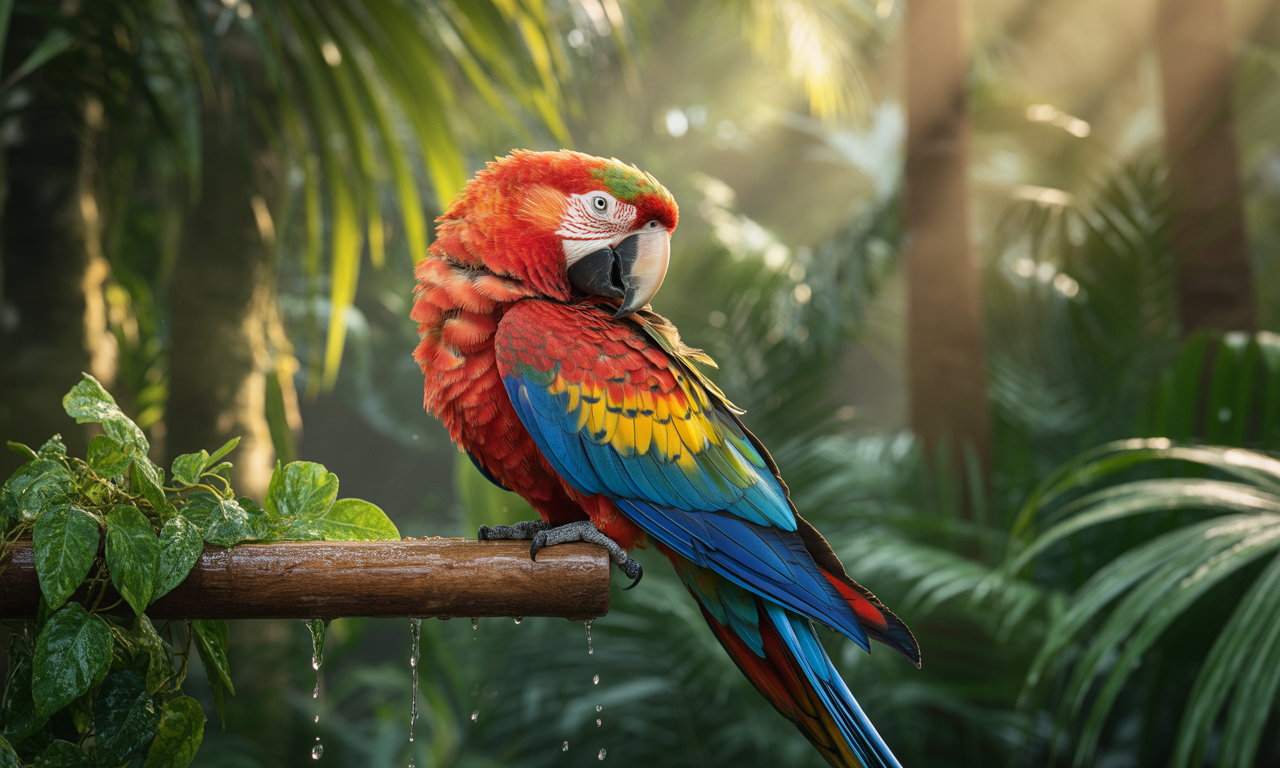
Bathing is far more than a grooming task—it’s a celebration of instinct, trust, and vitality. When you maintain the right bird bathing frequency, you’re not just washing away dust; you’re reviving life energy hidden within every feather.
Each drop of water supports hydration, encourages preening, balances oils, and cools the body naturally. But beyond biology lies emotion—every splash becomes a signal of joy, curiosity, and confidence between you and your bird.
Consistency is the foundation of health. Birds thrive on predictability; when bath time happens regularly, they feel secure and show it through vibrant plumage and gentle behavior. The perfect bird bathing frequency is one that reflects harmony—between nature and nurture, instinct and care.
So, whether it’s a daily mist or a thrice-weekly splash, follow your bird’s cues. Observe its body language, feather glow, and post-bath happiness. That’s the secret indicator that you’ve found your bird’s ideal rhythm.
With every session, you’re not just cleaning feathers—you’re nourishing spirit, deepening trust, and reaffirming the silent bond of companionship. The reward is visible in those bright eyes, joyful chirps, and the soft rustle of wings that tell you everything is right.
Let every bath be a ritual of love, wellness, and connection. Because when your bird feels clean, free, and safe, your world sings in harmony too.
📘 Glossary (RankMath Schema-Enabled)
Bird Bathing Frequency:
The optimal number of times a bird should bathe weekly, depending on species, humidity, and comfort level. Proper bird bathing frequency ensures skin hydration, feather health, and emotional balance.
Preening:
A natural grooming action in which birds align feathers and spread oil from the uropygial gland to maintain waterproofing and shine.
Molting:
The natural shedding and regrowth of feathers that occurs seasonally. A consistent bird bathing frequency supports smoother molting by loosening old feathers and soothing itchy skin.
Misting:
A gentle spray of fine water droplets that simulates natural rainfall. Especially suitable for smaller birds like budgies, finches, and cockatiels.
Draft-Free Zone:
A calm, enclosed area free from cold air currents—crucial for post-bath drying to prevent chills or discomfort.
Feather Conditioning:
The natural process of restoring flexibility and softness to feathers through consistent bathing and preening at a healthy bird bathing frequency.
Uropygial Gland (Preen Gland):
A small gland near a bird’s tail that secretes natural oils essential for waterproofing and feather maintenance.
Sensory Enrichment:
Activities like bathing that stimulate a bird’s senses, reduce boredom, and enhance emotional well-being.
Humidity Balance:
The moisture level in air, ideally 50–60% for most species, directly influencing how often bird bathing frequency should occur.Hydration Cycle:
The internal process by which regular bathing replenishes skin moisture and feather flexibility, ensuring long-term comfort and health.
💡Looking for something different? Check out our latest post here: https://birdsheavencare.com/common-bird-diseases-and-remedies/